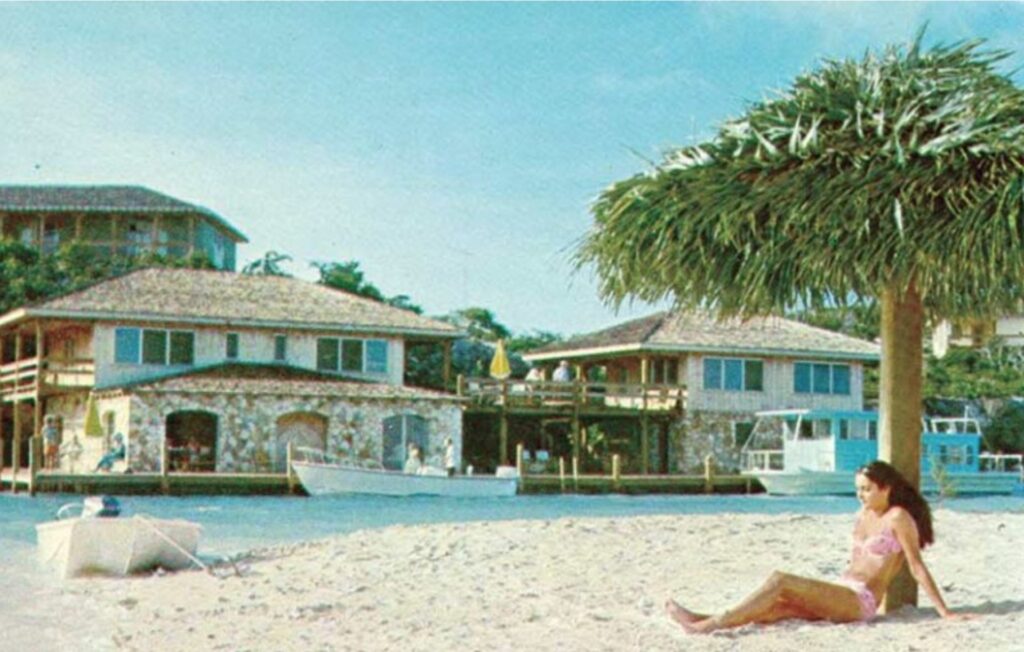
How a once-remote Caribbean outpost evolved into one of the world’s most coveted luxury destinations—without losing the spirit that made it special.
A new chapter is unfolding at Turtle Cove.
As Providenciales continues to evolve, Turtle Cove is emerging as a refined destination for luxury hospitality and waterfront living. But long before this stretch of shoreline was associated with contemporary residences and elevated island experiences, it was a different kind of hideaway: remote, rugged, and shaped by adventurous travelers, sailors, developers, and early visionaries who saw extraordinary potential in the island’s natural beauty.
In the 1960s and ’70s, The Third Turtle Inn stood at the heart of that era. Visitors lingered over cocktails while waiting for phone calls to connect through Grand Turk. Overdressed guests risked having their neckties ceremoniously cut and added to the bar walls. It was informal, colorful, and unmistakably intimate.
Along the shores of Turtle Cove, The Loren carries that spirit forward with a distinctly contemporary approach to Caribbean luxury.
How Time Has Changed the Journey to Turks & Caicos
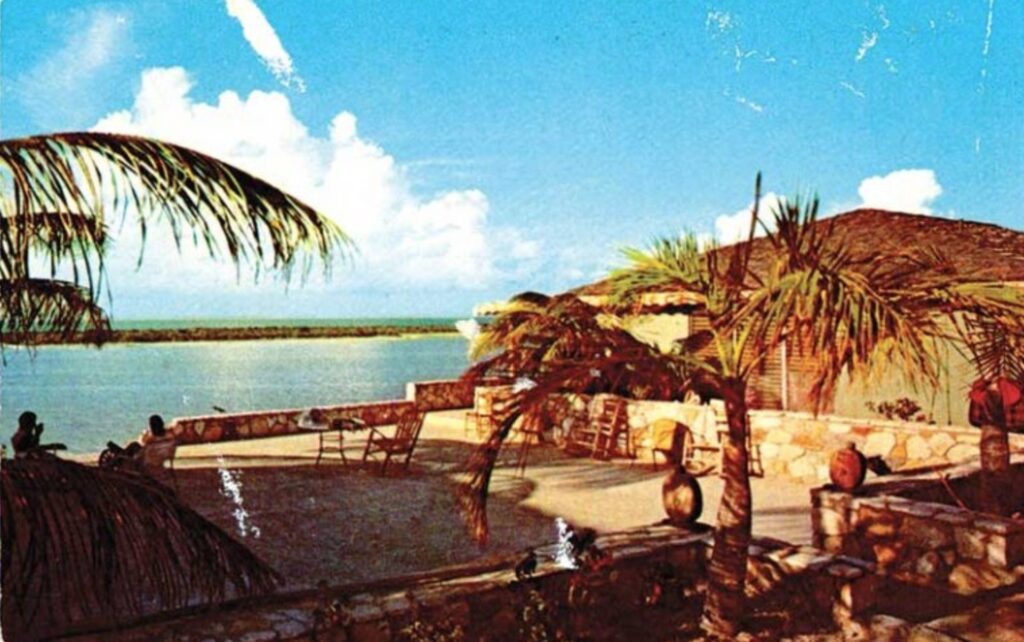
In the early days, arriving in Providenciales was not always simple. It was an act of discovery.
As Shelagh Barrington recalls in Looking back at life on the Islands “back in the day,” one of the early sails into Turtle Cove was a nerve-wracking journey through unfamiliar waters:
“This was Minx’s first sail down the coast, inside the reef, and the route to and into Turtle Cove was not marked… Kat and Mike were sailing their home, once again, through unknown, coral head studded waters.”
For these sailors, adventurers, and early residents, Turtle Cove was a safe harbor, a supply stop, and a social hub. Barrington describes it as “the heart of Providenciales,” where transient yachters came to restock, make repairs, and continue their journeys toward the Caribbean or South America.
Before expanded airports, paved roads, direct flights, and digital navigation, reaching Provo required patience, resourcefulness, and often a bit of courage. But that difficulty was part of the allure. To arrive was to feel that you had found somewhere few others had.
Today, Providenciales is easier to reach than ever, with air service connecting the island to major cities across North America and beyond. Modern marinas, luxury accommodations, and world-class services have transformed the visitor experience, allowing travelers to spend less time managing logistics and more time enjoying the island itself.
And yet, the feeling of arrival remains. Turtle Cove still offers the sense of escape and connection to the water that first drew sailors, explorers, and dreamers to its shores.
When Modern Providenciales Began to Take Shape
The evolution of Providenciales was not accidental. It began when a vision combined with a remarkable amount of hard work.
In The beginning of remarkable change, Richard Grainger recalls visiting Providenciales in the early 1970s, when the island was still known locally as Blue Hills. At the time, he writes, “There were no major roads, public electricity supply, running water, or other essentials,” yet plans were already underway to develop the island into a major tourism destination.
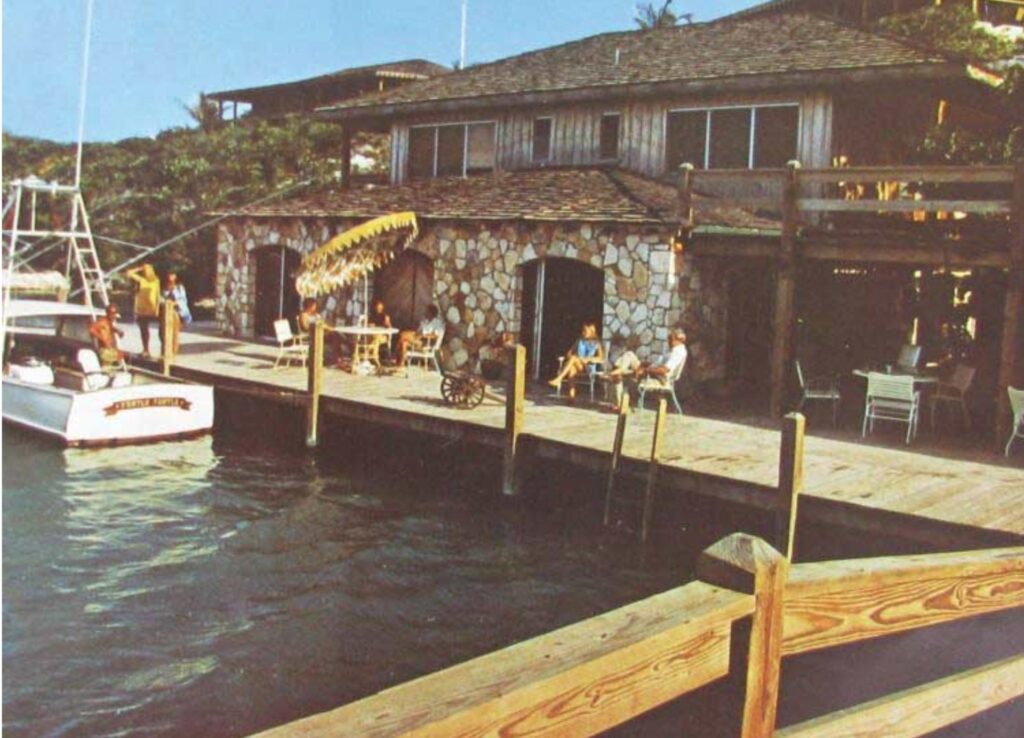
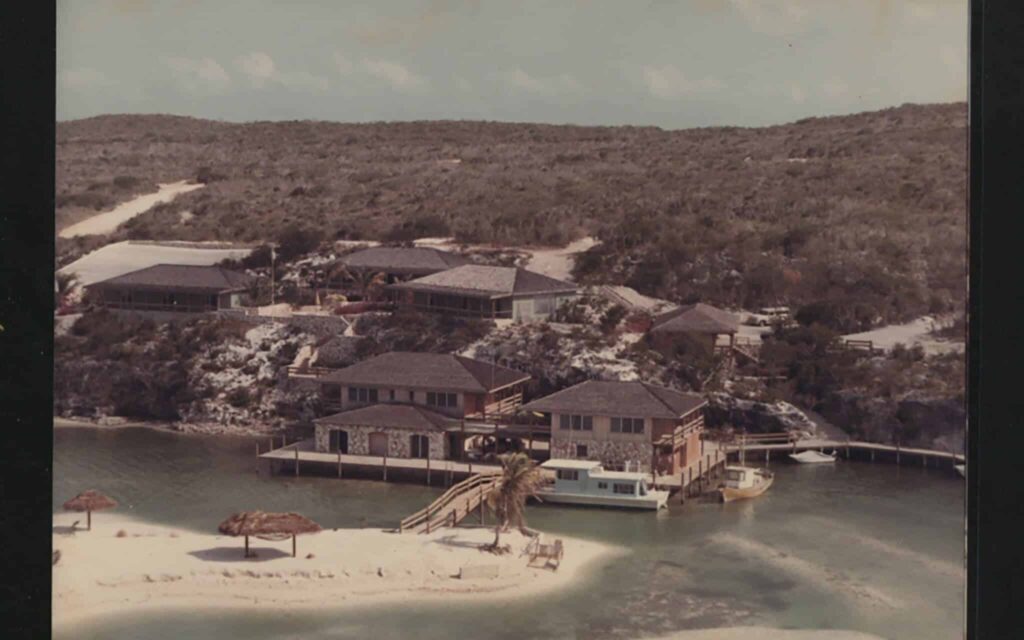
One of the earliest and most important figures in that transformation was hotelier Fritz Ludington, who recognized the potential of Providenciales after developing hotels in the Bahamas. Grainger notes that “Scenic Turtle Cove was the area selected by Fritz to construct his hotel.” He named it The Third Turtle Inn, his third hotel venture. The Third Turtle Inn would become one of the first hospitality landmarks on Providenciales and an early symbol of what the island could become.
Turning that vision into reality required a pioneering spirit. As Earle Perkins recalled in An Island Saga, everyday life on Provo depended on resourcefulness and community. Perkins recalls a time when “Everybody traded supplies back and forth.” Residents collected rainwater in cisterns, generated their own electricity, shared supplies, and waited patiently for shipments to arrive by sea. Roads were often little more than bulldozed paths, and building a home meant adapting to the island’s unique challenges.
Yet those early residents weren’t simply living on Providenciales—they were helping build it. Homeowners, entrepreneurs, developers, and local residents worked side by side to create the infrastructure that would support the island’s future growth. As roads improved, the airport expanded, utilities arrived, and tourism infrastructure developed, Providenciales began its transformation from a remote outpost into a destination of international acclaim.
Now, Providenciales is recognized as one of the Caribbean’s premier luxury destinations, attracting travelers, homeowners, and investors from around the world. While the infrastructure has changed dramatically, the qualities that inspired the island’s earliest visionaries remain remarkably intact: turquoise waters, protected coves, natural beauty, and a rare sense of seclusion.
For those who call Turtle Cove home today, that legacy is still visible. The neighborhood’s newest chapter is built upon the ambition, resilience, and optimism of those who first believed this extraordinary corner of the Caribbean could become something special.
A Unique Exploration of Luxury, Then & Now
As Providenciales began its transformation from a remote outpost into an emerging destination, its earliest developers faced an important question: what kind of place should the island become?
According to developer Jim Brown, who worked alongside many of the island’s early investors and planners, there was a surprisingly clear answer. Dick DuPont and the team at Provident Ltd., the company responsible for much of Providenciales’ early development, envisioned the island as a secluded retreat for discerning travelers, one defined by natural beauty, privacy, and understated luxury.
“Provident had a vision that Providenciales would be a hideaway for the rich and famous where whatever happened here stayed here,” Brown recalled. Rather than pursuing casinos, high-rise resorts, or large-scale commercial development, the goal was to create a destination centered on low-rise architecture, exclusive experiences, and a strong connection to the island’s natural surroundings.
The Third Turtle Inn became one of the earliest expressions of that vision. Earle Perkins described one of Provo’s only hotels as a place where “the rooms were nestled in the rocks and caves of Turtle Cove.” Its largely open-air lobby overlooked a busy docking area, framed by limestone caves, tropical plants, and flowering landscapes that transformed the property into what Perkins called “a fairyland” after dark.
The atmosphere was both elegant and unpretentious. Guests were expected to “dress up” for dinner (meaning shirts, shoes, and long pants), but the social scene remained delightfully informal. Neckties cut from overdressed visitors decorated the walls of the bar, while one of the island’s few telephones sat nearby. Making a simple phone call often meant contacting the Cable and Wireless office in Grand Turk and waiting, sometimes over several drinks, for a connection:
“It wasn’t hard to keep what happened here private,” writes Brown. “It was decades before Internet and to make a simple phone call was quite time consuming. For example, I would go to the Third Turtle and they had a phone—one of three on island. One would phone the Cable and Wireless office in Grand Turk to book a call out. Then go to the bar and after several drinks, you might get a call back and connect to your party. I think after the drinks everyone assumed we were all a bunch of island misfits. However, good times were had by all in the ‘good old days.’”
In an era of dusty roads, sporadic supplies, and unfinished infrastructure, luxury wasn’t defined by amenities. It was defined by atmosphere, hospitality, privacy, and the feeling of discovering a place few others knew existed.
Luxury in Providenciales has since evolved. Oceanfront residences, curated dining experiences, wellness offerings, and world-class hospitality have brought new levels of comfort and sophistication to the island. Turtle Cove’s current era is marked by a renewed sense of energy, welcoming a new generation of travelers, homeowners, and investors.
Yet the essence of the experience remains remarkably familiar. Visitors continue to come here for the same reasons they did decades ago: the water, the privacy, the pace, and the feeling of being somewhere special. While the definition of luxury has changed, the philosophy that first shaped Providenciales continues to define it today.
Turtle Cove’s Next Chapter
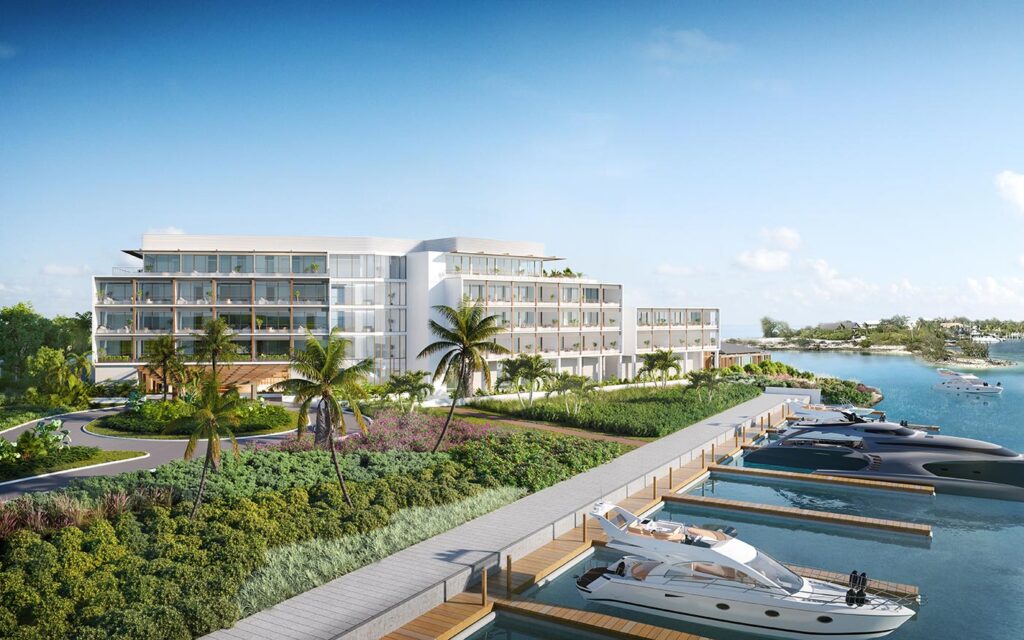
The story of Turtle Cove has always been one of transformation.
It began as a remote harbor and gathering place, where sailors found safe anchorage, residents traded supplies, and travelers came in search of something far removed from the ordinary. It became home to The Third Turtle Inn, a small but storied hotel that helped shape the island’s early hospitality identity. Over the decades, as Providenciales grew, Turtle Cove retained its quieter, more intimate character.
Today, that same shoreline is entering a new era.
For potential buyers, Turtle Cove offers more than a beautiful setting. It offers a connection to the history of Providenciales itself: to the early visionaries who saw promise in the island, to the travelers who valued privacy before Provo was widely known, and to the enduring appeal of a destination that has evolved without losing its soul.
At The Loren, that legacy continues in a contemporary form. Refined design, modern comforts, and elevated waterfront living now meet the same qualities that have defined Turtle Cove for generations: natural beauty, discretion, connection to the sea, and the unmistakable feeling of being somewhere special. Inquire with us to learn more about joining us as a resident along these historic shores.